
West8-Zero-Consulting-Madrid-Nuevo-Norte-life-cycle-analysis-2
Madrid Nuevo Norte-1
West8-Zero-Consulting-Madrid-Nuevo-Norte-life-cycle-analysis-1
West8-Zero-Consulting-Madrid-New-North-New-North-Life-cycle-analysis-3

Life Cycle Assessment and sustainability strategies for the Madrid Nuevo Norte Park

The Project

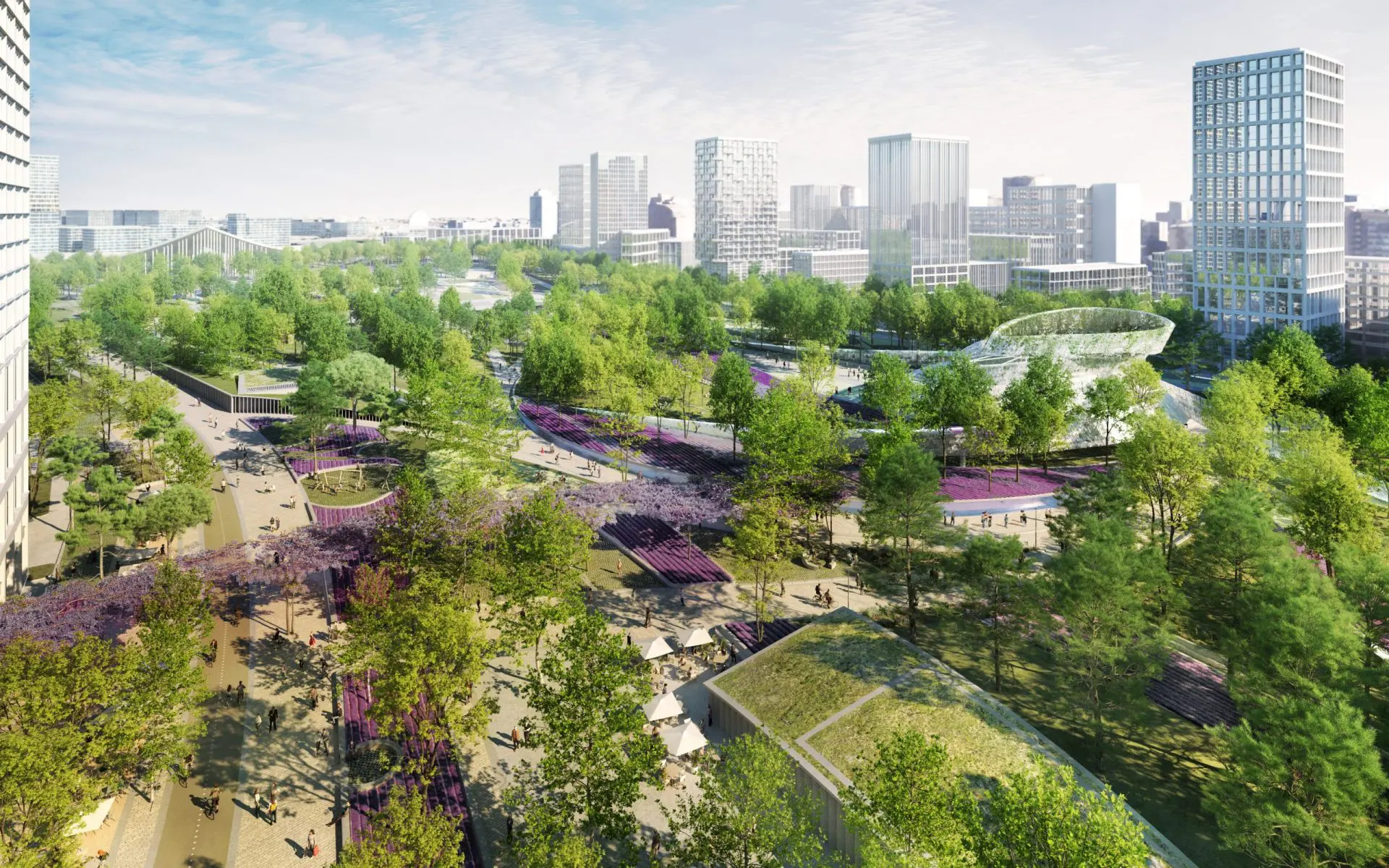
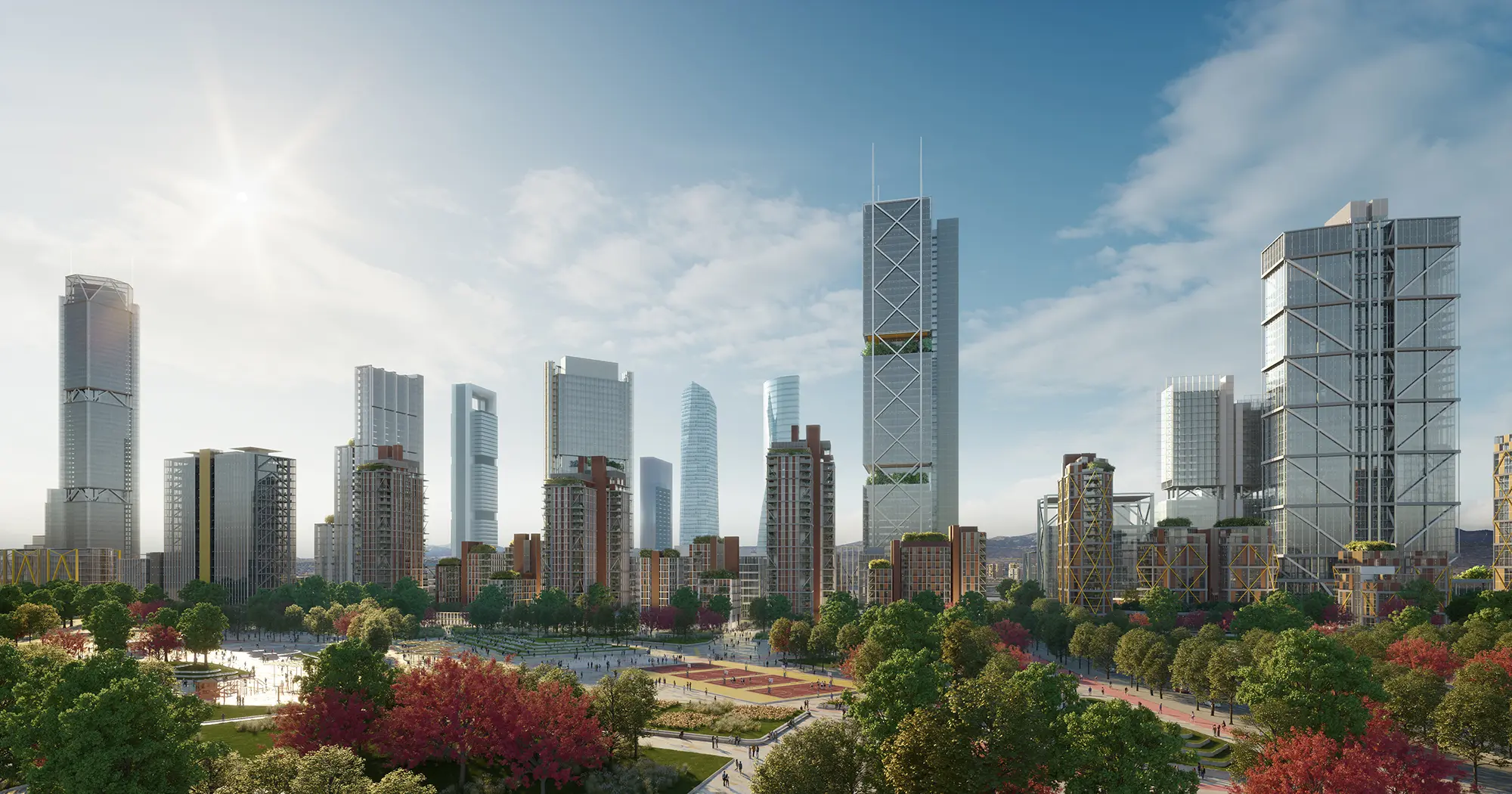
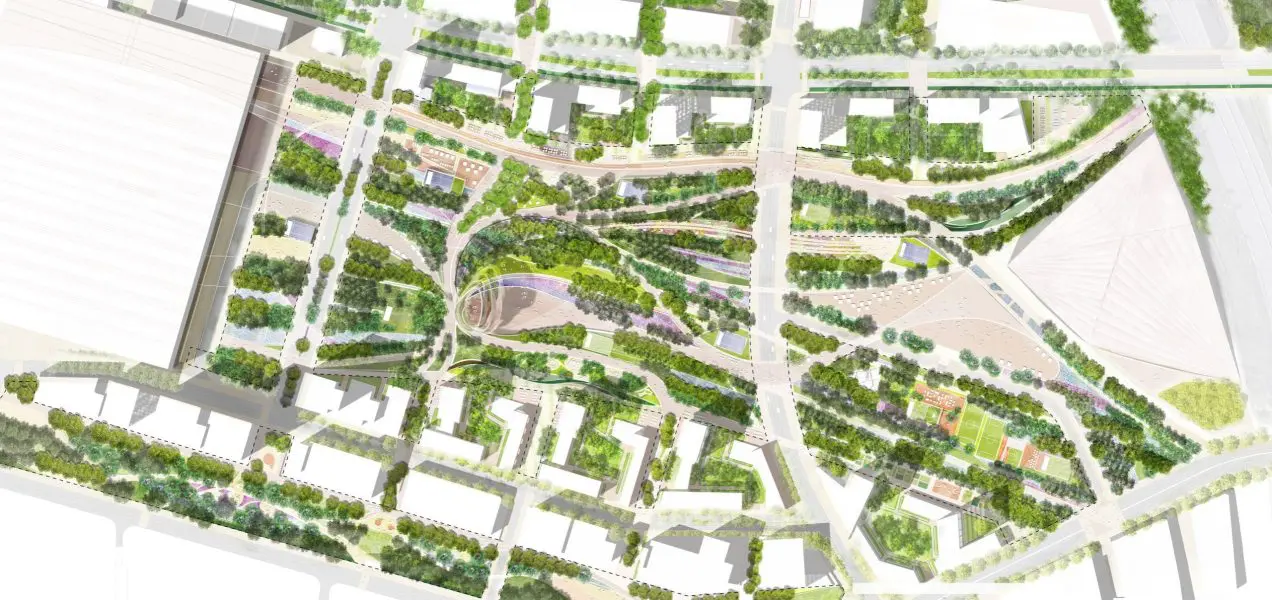
The Chamartín Central Park is part of the development of the RPA 05.31 "Chamartín Business Center" in Madrid. With a surface area of more than 176,000, this space is conceived as a large green area that partially covers the station's rail yard, sewing the urban gap and returning to the city a naturalized area of great environmental, social and landscape value.

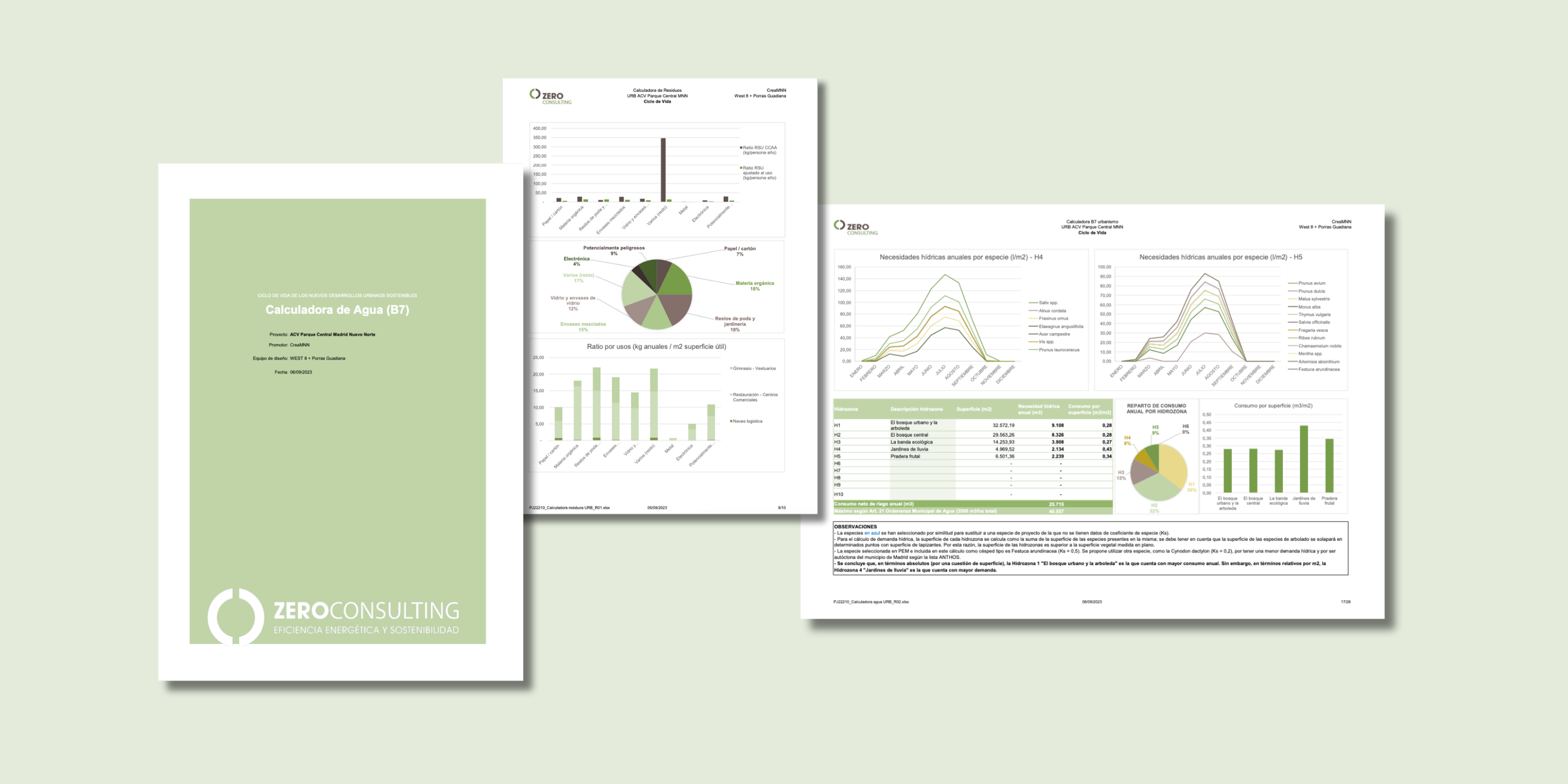
The design was developed by West8 Urban Design and Landscape Architecture BV, together with Porras Guadiana Arquitectos and a multidisciplinary team. Zero Consulting has participated in the project through the development of a Life Cycle Analysis (LCA) focused on materials, energy and water, defining sustainability strategies to reduce the environmental impact and ensure the future viability of the park.

Sustainable strategies highlighted

Materials
  • Use of materials with Environmental Product Declarations (EPDs).
  • Use of recycled aggregates from construction and demolition waste to reduce resource extraction.
  • Proposal of sustainable asphalts, combining recycled aggregates and bitumen with recycled tire dust.
  • Selection of concrete with a smaller environmental footprint, optimizing the components and reducing the impact of cement.
Energy
  • Reduction of energy consumption through passive measures and efficiency in installations.
  • Proposal to expand the photovoltaic installation on roofs, maximizing the useful surface area with high-performance panels.
Water
  • Substitution of grass species for native alternatives with low water demand.
  • Rainwater on roof for toilet flushing.
  • Reclaimed water for irrigation and other urbanization consumption.
  • Sustainable Urban Drainage Systems (SUDS).

Results

Carbon footprint

The carbon footprint is estimated to be lower than that of a conventional urban development, where 11% of CO2 eq. emissions are reduced through carbon sequestration, mainly of plant origin.

Environmental and social benefits

Reducing the heat island effect, improving biodiversity, increasing carbon sequestration and creating a large public space for social cohesion.

Energy efficiency

69% reduction in non-renewable primary energy consumption and possibility of renewable supply with photovoltaic expansion.

Water consumption

Reduction of irrigation demand by 37% according to the municipal ordinance, thanks to the choice of native species and optimized irrigation systems. 89% of water demand is covered by reclaimed water from the municipal network.

assets-logo-mnn
  • Client: Madrid Nuevo Norte
  • Location: Madrid, ES
  • Industry: Planning
  • Surface area: 176.000m2
  • Service: Life cycle analysis

Need help with a project?

Request an indicative pre-assessment of your project to find out: if it can be certified, what score would be obtained, what measures could be proposed to improve it, and what are the approximate costs of certification? You can contact us through the contact page or request a pre-assessment directly.